
The technical hiring landscape has transformed dramatically in recent years. With remote and hybrid work now the norm and competition for top engineering talent fiercer than ever, interview processes must evolve to remain effective. Traditional, in-person-heavy methods are not only outdated, they’re often unnecessary.
Today’s hiring managers need to think beyond the basics. Conducting a successful technical interview in 2025 means embracing digital-first tools, streamlining the candidate experience, and ensuring that assessments are both rigorous and fair.
So, what does an effective technical interview look like in today’s landscape, and how can you make yours stand out?
Set clear expectations from the start
Engineers are logical thinkers who value clarity and efficiency. From the outset, ensure candidates are fully informed about the interviewing process: time, date, format (video, phone, or in-person), and who they’ll be speaking with. This not only helps candidates feel confident and focused, but also gives interviewers a strong framework to build a focused and productive conversation.
Equally important, is communicating clear expectations about the role itself. Outline key responsibilities, success metrics, and required skills early on. This transparency helps both parties determine alignment and avoid missteps later in the hiring process.

Offer flexible interview formats
While face-to-face interviews can offer valuable insights that are sometimes harder to capture remotely, they’re not always feasible. Remote candidates, those with accessibility needs, or those working to tight schedules benefit from flexible options like video calls or phone interviews.
Embracing a hybrid interview model allows you to meet candidates where they are while maintaining a fair, comprehensive evaluation process. Whether virtual or in-person, the key is consistency in structure and standards across formats.

Prepare, don’t improvise
Interview preparation is just as important for hiring managers as it is for candidates. An interview is often a candidate’s first real impression of your company, so make it count. A well-prepared interviewer signals professionalism and gives candidates confidence in your organisation.
This preparation should extend to your questioning. Avoid improvising, especially in technical interviews. It’s noticeable and can undermine the candidate’s perception of your process. Instead, develop a structured set of questions that balance general insight with role-specific, technical challenges.

Focus on technical proficiency
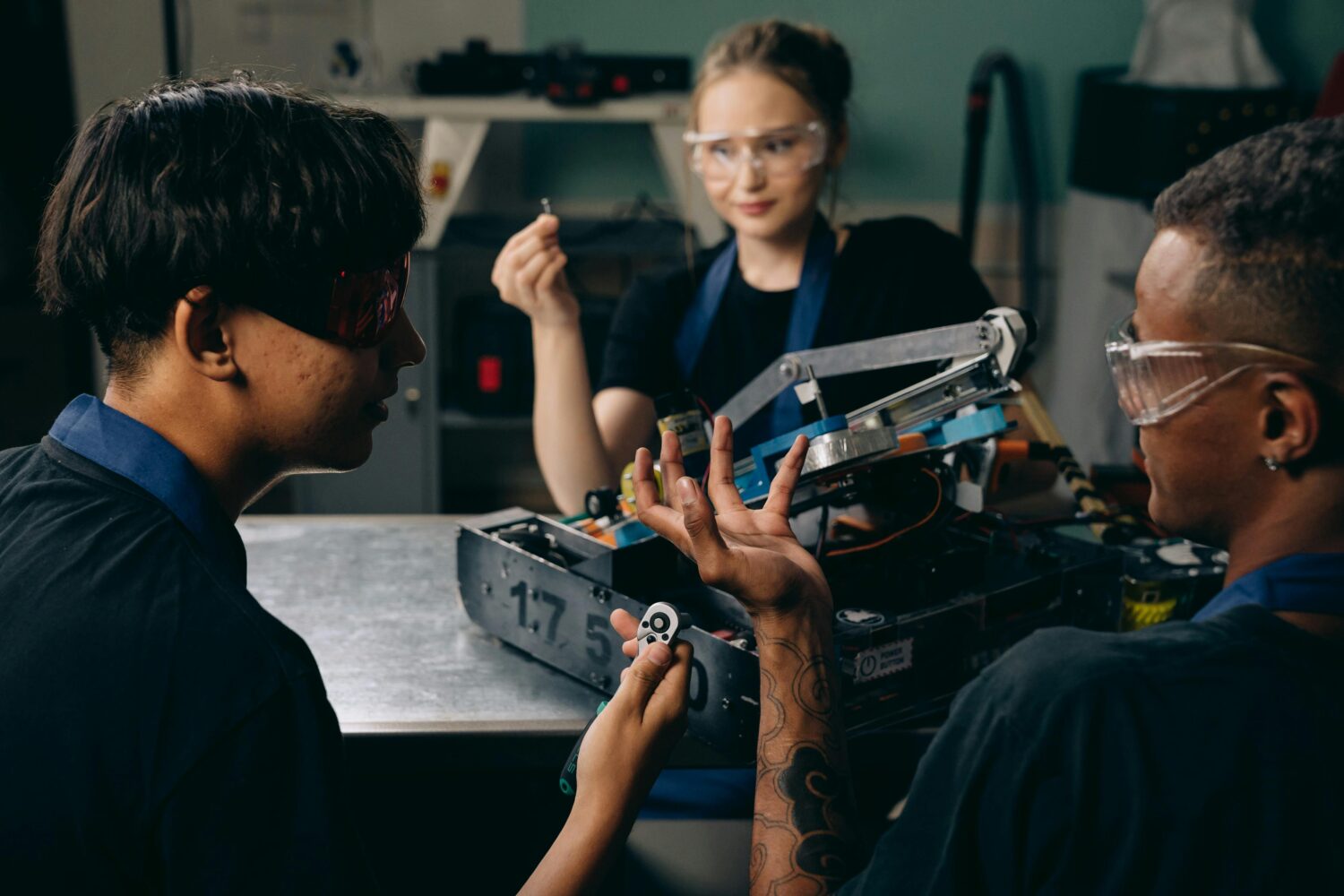
Effective technical interviews go beyond surface-level questioning, they’re an opportunity to explore how candidates think, solve problems, and approach the kinds of challenges specific to your environment. Well-crafted, role-relevant tasks not only help you evaluate technical capability, but also give candidates a clearer understanding of what the role entails. Incorporating practical scenarios or hands-on assessments can offer deeper insight into a candidate’s experience and alignment with your team’s way of working, without making the process overly complicated.
Key takeaways for hiring managers
In 2025, a strong technical interview does more than assess skills, it reflects your company’s professionalism and adaptability. By being clear, prepared, and focused on role-specific questions, you not only attract top engineering talent but also stand out in a competitive market. A well-run interview process is an investment that pays off with better hires and a stronger team.

Partner with BMS Performance
At BMS, we specialise in helping organisations like yours find and assess top-tier engineering talent. From role scoping to candidate shortlisting, we’ve got the tools and expertise to connect you with the right people, quickly and effectively. If you’re looking to refine your technical hiring strategy, get in touch today and let us help you build a high-performing, future-ready team.
